Pathways Research Mentors
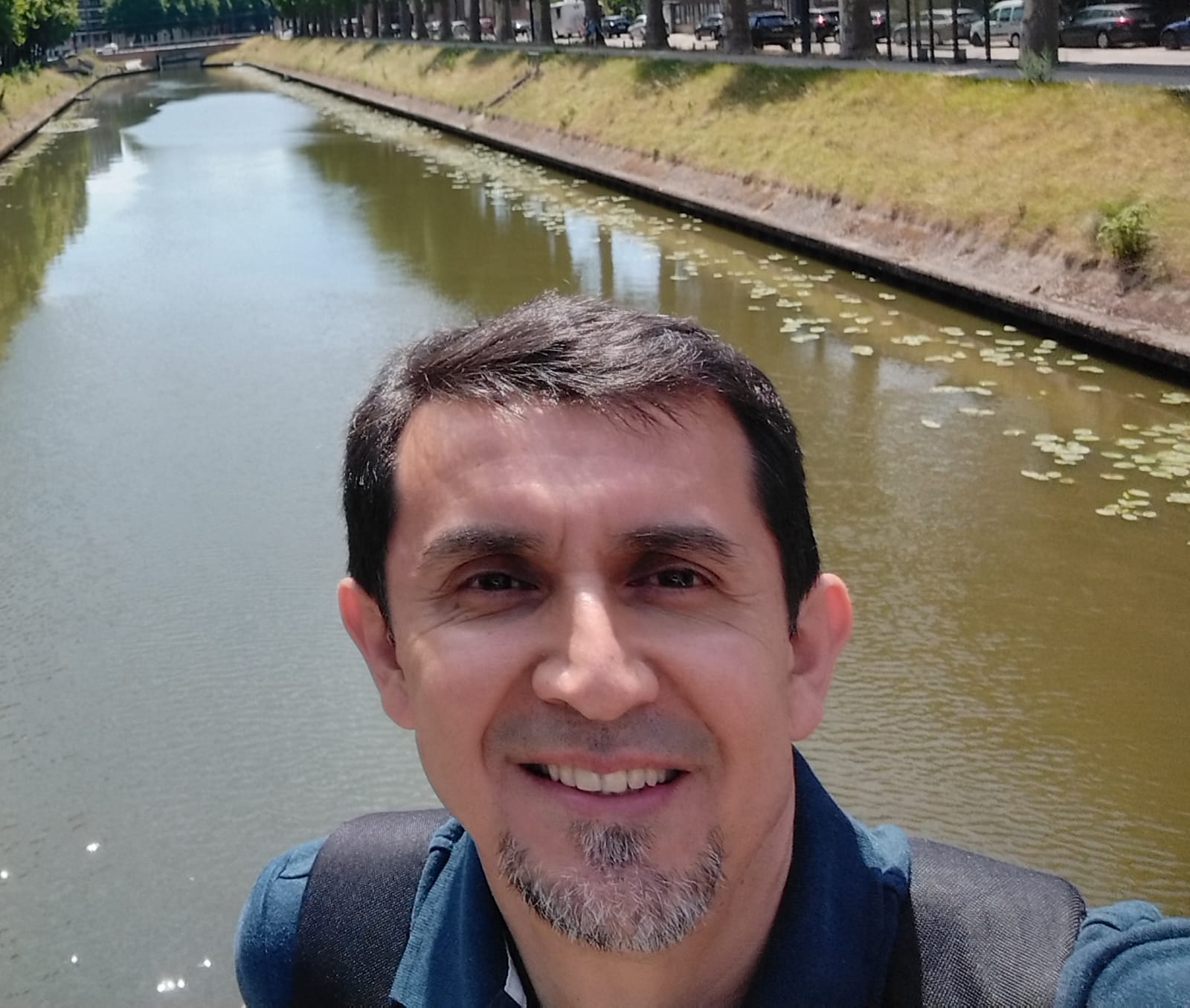
Dr. Andrés Alvarado
Institution: Universidad de Cuenca, Ecuador
Research interests: water quality, wastewater treatment, decentralized sanitation, vermifiltration, nature-based solutions, anaerobic digestion
Areas of Study (2026):
1. Nature-based solutions for sustainable sanitation in Ecuador (NATURESS). The project revives decentralized sanitation in rural Ecuador using NBSs like Constructed Wetlands and vermifilters. Adapted with community input, it involves pilot tests and modular implementation at full scale.
Website: https://orcid.org/0000-0002-9125-1221
Email: andres.alvarado@ucuenca.edu.ec
Research interests: water quality, wastewater treatment, decentralized sanitation, vermifiltration, nature-based solutions, anaerobic digestion
Areas of Study (2026):
1. Nature-based solutions for sustainable sanitation in Ecuador (NATURESS). The project revives decentralized sanitation in rural Ecuador using NBSs like Constructed Wetlands and vermifilters. Adapted with community input, it involves pilot tests and modular implementation at full scale.
Website: https://orcid.org/0000-0002-9125-1221
Email: andres.alvarado@ucuenca.edu.ec
Dr. José Luis Arumi
Institution: Universidad de Concepción, Chile
Research Interests: Hydrology; Surface water – Groundwater Connections; Drought
Areas of Study (2026):
1. Streamflow recovery and baseflow change after extended drought
2. Water scarcity index: Use of precipitation, groundwater levels, NDVI and other information to study drought and recovery
3. Understanding streamflow in a complex volcanic system
Email: arumi.joseluis@gmail.com
Research Interests: Hydrology; Surface water – Groundwater Connections; Drought
Areas of Study (2026):
1. Streamflow recovery and baseflow change after extended drought
2. Water scarcity index: Use of precipitation, groundwater levels, NDVI and other information to study drought and recovery
3. Understanding streamflow in a complex volcanic system
Email: arumi.joseluis@gmail.com

Dr. Christian Birkel
Institution: Universidad de Costa Rica, Costa Rica
Research Interests: hydrologic modeling, carbon cycling, isotopes
Areas of Study (2026):
1. Carbon and water cycling in agroforestry coffee land uses and tropical forests
Email: Christian.Birkel@ucr.ac.cr
Research Interests: hydrologic modeling, carbon cycling, isotopes
Areas of Study (2026):
1. Carbon and water cycling in agroforestry coffee land uses and tropical forests
Email: Christian.Birkel@ucr.ac.cr
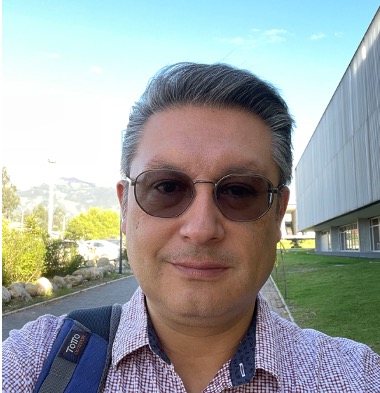
Dr. Rolando Célleri
Institution: Universidad de Cuenca, Ecuador
Research interests: Hydrology, ecohydrology, SDGs
Areas of study (2026):
1. Empowering communities for resilient water management: A collaborative approach to hydroclimatic challenges in the Andes. In this project, we study the impacts of climate variability (extremes) on water resources in order to design adaptation measures in irrigation systems and urban settings.
2. SDGnexus Network. This project has the aim of linking the sustainable development goals to the Water-Energy-Food-Environment Nexus. During 2026, we will focus on understanding the variability of hydrometeorological conditions during the recent past (2011-2025) in the Zhurucay Ecohydrological Observatory (3500-3800 m as.l.) as precursos of hydrometeorological stress tests.
Web site: https://www.researchgate.net/profile/Rolando-Celleri
E-mail: rolando.celleri@ucuenca.edu.ec
Research interests: Hydrology, ecohydrology, SDGs
Areas of study (2026):
1. Empowering communities for resilient water management: A collaborative approach to hydroclimatic challenges in the Andes. In this project, we study the impacts of climate variability (extremes) on water resources in order to design adaptation measures in irrigation systems and urban settings.
2. SDGnexus Network. This project has the aim of linking the sustainable development goals to the Water-Energy-Food-Environment Nexus. During 2026, we will focus on understanding the variability of hydrometeorological conditions during the recent past (2011-2025) in the Zhurucay Ecohydrological Observatory (3500-3800 m as.l.) as precursos of hydrometeorological stress tests.
Web site: https://www.researchgate.net/profile/Rolando-Celleri
E-mail: rolando.celleri@ucuenca.edu.ec
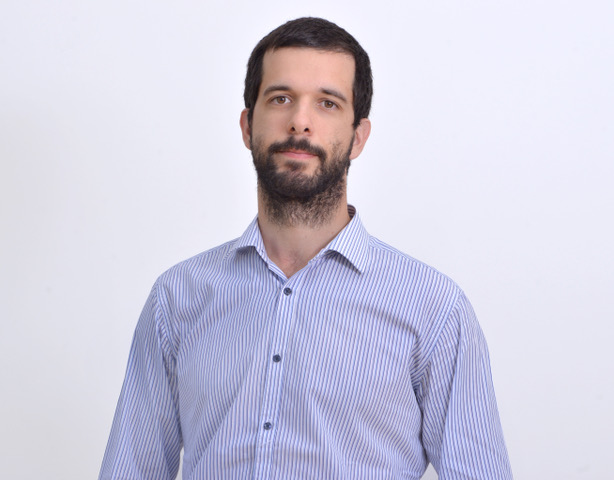
Dr. Cristián Chadwick
Institution: Universidad Adolfo Ibáñez, Chile
Research Interests: Hydrology, Hydrological Modeling, Climate Change, Stochastic Hydrology, Water Resources
Areas of Study (2026):
1. From coarse to fine temporal resolutions: the formal incorporation of climate change in the definition of climate series for hydrologic analysis and design
Email: cristian.chadwick@uai.cl
Research Interests: Hydrology, Hydrological Modeling, Climate Change, Stochastic Hydrology, Water Resources
Areas of Study (2026):
1. From coarse to fine temporal resolutions: the formal incorporation of climate change in the definition of climate series for hydrologic analysis and design
Email: cristian.chadwick@uai.cl
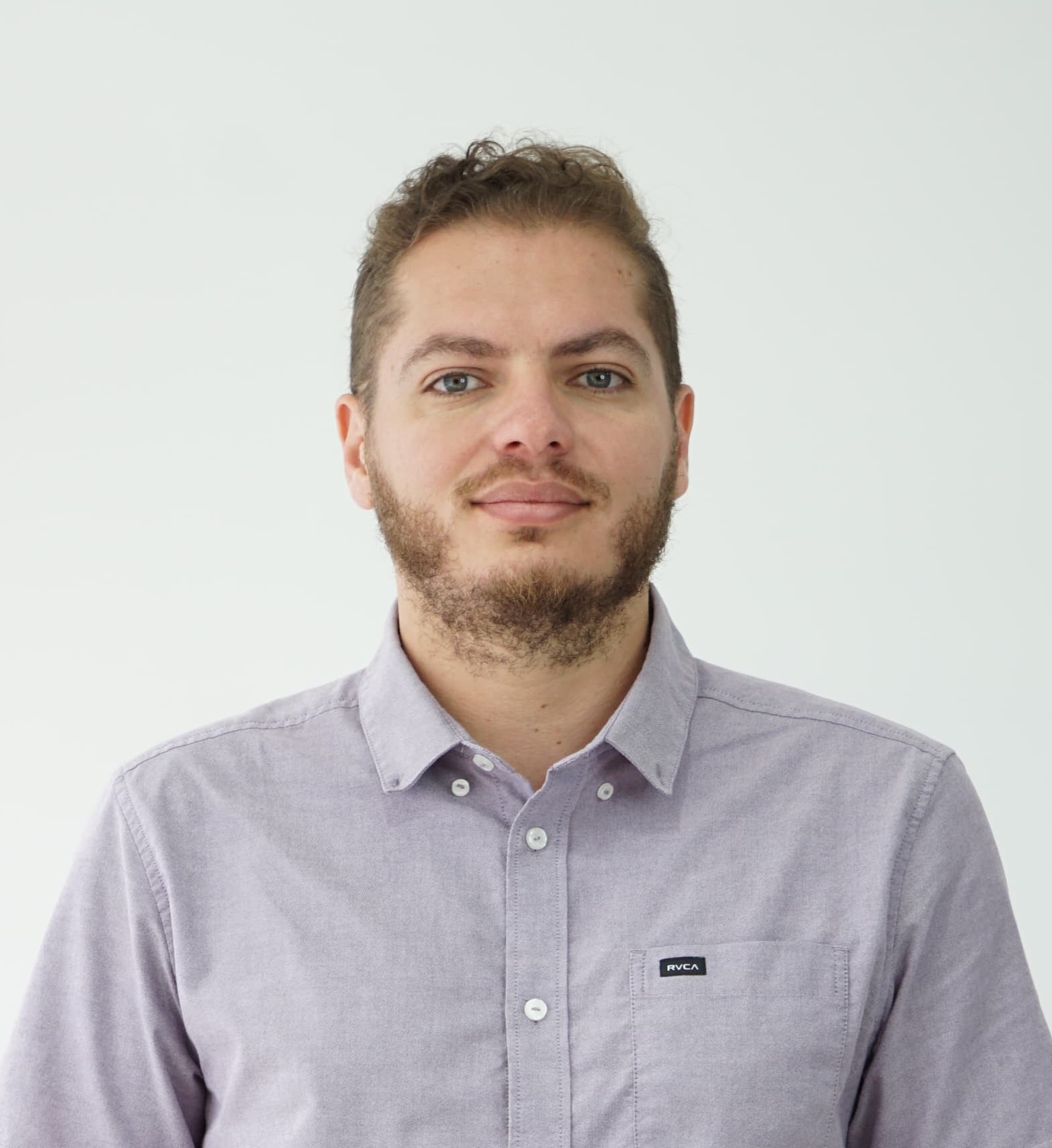
Dr. Mario Córdova
Institution: Universidad de Cuenca, Ecuador
Research Interests: Climate, climate change, data science, sustainability
Areas of Study (2026):
1. Comfort in Open Public Spaces: An Analysis of the Relationship Between Public Perception and Microclimate, Noise, and Air Quality:In this project, we will study these three dimensions, their impact on health and well-being, and public perception of comfort in different urban spaces.
2. Precipitation Forecasting in a Region of Ecuador by Including Spatiotemporal Information Based on Convolutional Neural Networks. This project seeks to improve precipitation forecasts in Ecuador by leveraging state-of-the-art reanalysis data and advanced artificial intelligence methods.
Website: https://www.researchgate.net/profile/Mario-Cordova
Email: mario.cordovam@ucuenca.edu.ec
Research Interests: Climate, climate change, data science, sustainability
Areas of Study (2026):
1. Comfort in Open Public Spaces: An Analysis of the Relationship Between Public Perception and Microclimate, Noise, and Air Quality:In this project, we will study these three dimensions, their impact on health and well-being, and public perception of comfort in different urban spaces.
2. Precipitation Forecasting in a Region of Ecuador by Including Spatiotemporal Information Based on Convolutional Neural Networks. This project seeks to improve precipitation forecasts in Ecuador by leveraging state-of-the-art reanalysis data and advanced artificial intelligence methods.
Website: https://www.researchgate.net/profile/Mario-Cordova
Email: mario.cordovam@ucuenca.edu.ec
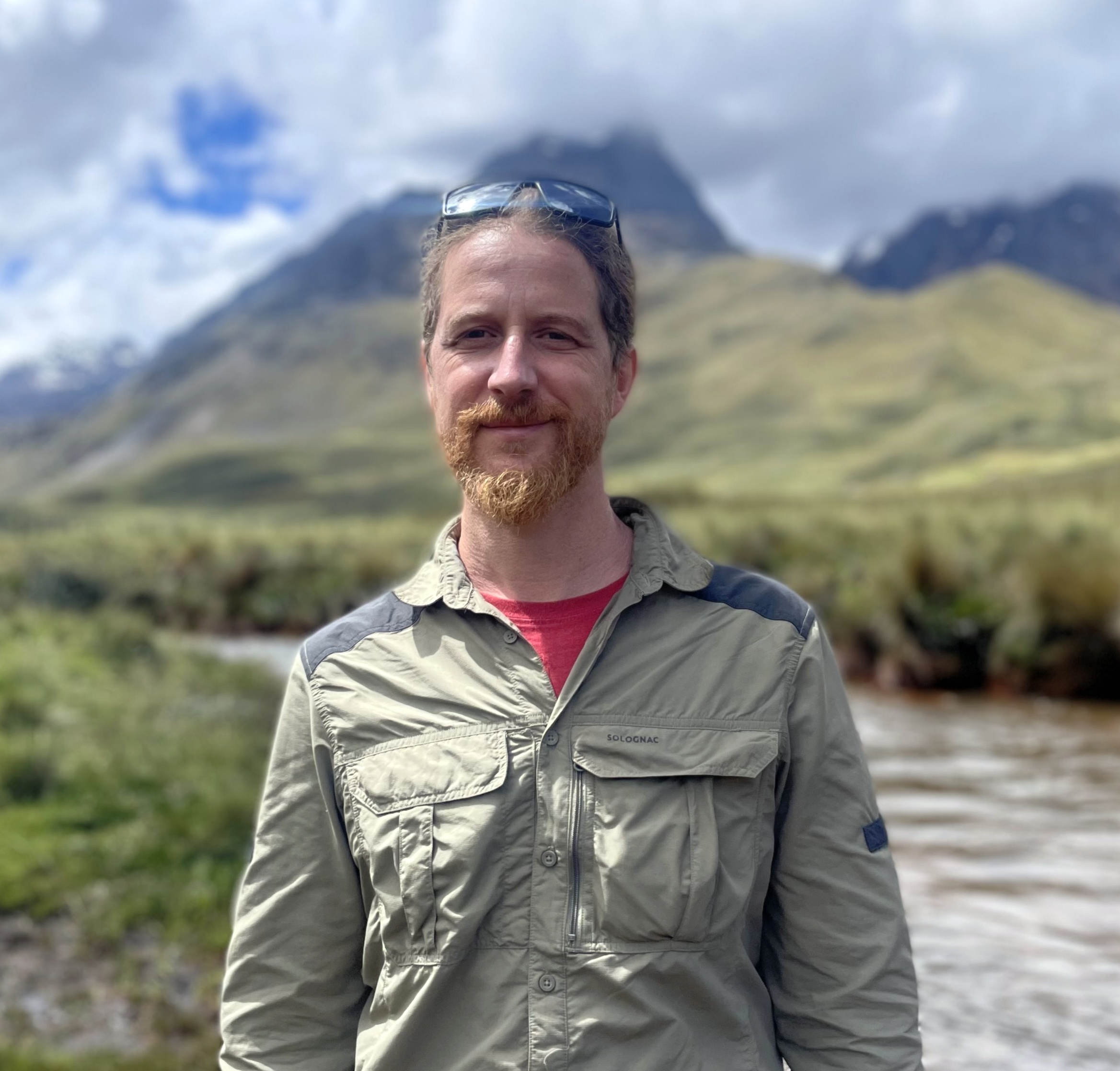
Dr. Fabian Drenkhan
Institution: Pontificia Universidad Católica del Perú, Perú
Research Interests: water security, water risks, climate change adaptation in mountains
Areas of Study (2026):
1. AguaSegura: Understanding and advancing climate change adaptation for water security in the Andes of Peru: In this project, we are analyzing current and future impacts of climate and socioeconomic changes on water resources by simulate climate-glacier and hydrological interactions to project future dynamics in water supply and quality and engage local communities, gathering socioeconomic data essential for identifying limits to adaptation.
Website:https://cris.pucp.edu.pe/en/persons/fabian-drenkhan
Email: fdrenkhan@pucp.pe
Research Interests: water security, water risks, climate change adaptation in mountains
Areas of Study (2026):
1. AguaSegura: Understanding and advancing climate change adaptation for water security in the Andes of Peru: In this project, we are analyzing current and future impacts of climate and socioeconomic changes on water resources by simulate climate-glacier and hydrological interactions to project future dynamics in water supply and quality and engage local communities, gathering socioeconomic data essential for identifying limits to adaptation.
Website:https://cris.pucp.edu.pe/en/persons/fabian-drenkhan
Email: fdrenkhan@pucp.pe
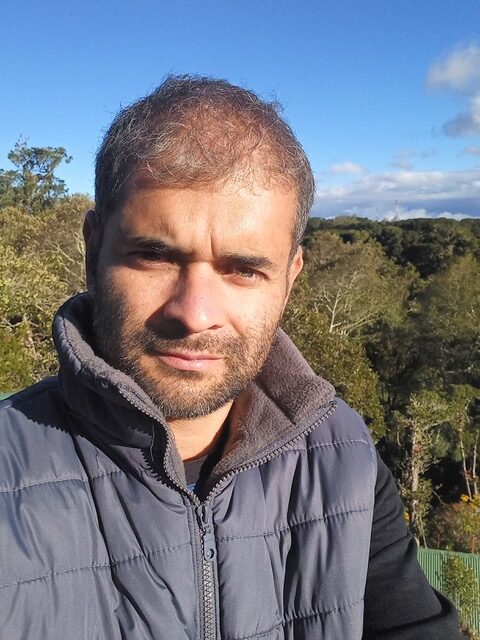
Dr. Germain Esquivel Hernández
Institution: Universidad Nacional de Costa Rica, Costa Rica
Research Interests: Isotope hydrology, Biogeochemistry, High-elevation tropical biomes, Hydroclimatology
Areas of Study (2026):
1. Biogeochemical monitoring of Costa Rica lakes: Biogeochemical monitoring of Costa Rica lakes: This project seeks to promote an ecosystem approach to study the biogeochemical functioning of tropical lakes using a combination of chemical, hydrological, and biological data and to provide baseline information for future studies on tropical lakes of Costa Rica.
2. Exploring Catchment Precipitation Processes in the Complex Mountainous Central Region of Costa Rica: There is limited information regarding the relative contribution of convective rain events to the local groundwater recharge in the Central Valley in Costa Rica. This project deals with the potential impact of convective rain events on the local groundwater recharge using water stable isotope, radon-222, carbon stable isotopes in dissolved organic carbon and other environmental tracers in the Central Valley, Costa Rica.
3. Long-term monitoring of stable isotopes in rainfall, surface water, and springs in a high-elevation tropical biome (Chirripó National Park): Long-term monitoring of stable isotopes in rainfall, surface water, and springs in a high-elevation tropical biome: The Chirripó Hydrological research site (CHRS) is located within the Chirripó National Park, Costa Rica that is covered by páramo, a high-elevation tropical grassland ecosystem. Since 2015, CHRS serves as a reference site for conducting pilot isotopic research in high-elevation tropical ecosystems.
Email: germain.esquivel.hernandez@una.c
Research Interests: Isotope hydrology, Biogeochemistry, High-elevation tropical biomes, Hydroclimatology
Areas of Study (2026):
1. Biogeochemical monitoring of Costa Rica lakes: Biogeochemical monitoring of Costa Rica lakes: This project seeks to promote an ecosystem approach to study the biogeochemical functioning of tropical lakes using a combination of chemical, hydrological, and biological data and to provide baseline information for future studies on tropical lakes of Costa Rica.
2. Exploring Catchment Precipitation Processes in the Complex Mountainous Central Region of Costa Rica: There is limited information regarding the relative contribution of convective rain events to the local groundwater recharge in the Central Valley in Costa Rica. This project deals with the potential impact of convective rain events on the local groundwater recharge using water stable isotope, radon-222, carbon stable isotopes in dissolved organic carbon and other environmental tracers in the Central Valley, Costa Rica.
3. Long-term monitoring of stable isotopes in rainfall, surface water, and springs in a high-elevation tropical biome (Chirripó National Park): Long-term monitoring of stable isotopes in rainfall, surface water, and springs in a high-elevation tropical biome: The Chirripó Hydrological research site (CHRS) is located within the Chirripó National Park, Costa Rica that is covered by páramo, a high-elevation tropical grassland ecosystem. Since 2015, CHRS serves as a reference site for conducting pilot isotopic research in high-elevation tropical ecosystems.
Email: germain.esquivel.hernandez@una.c
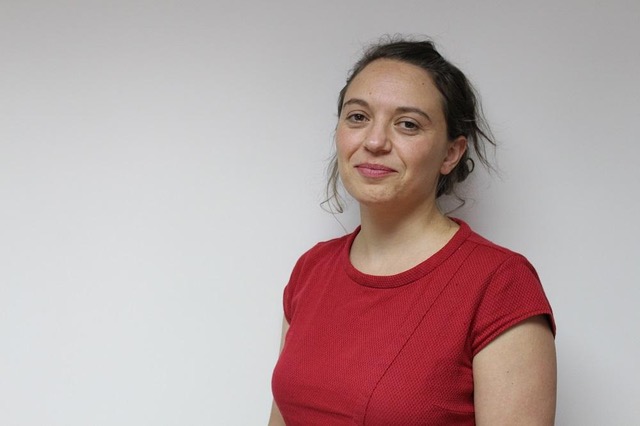
Dr. Maria Fragkou
Institution: Universidad de Chile, Chile
Research Interests: environmental justice, feminist political ecology, water security, hydrosocial territories, scarcity, just transitions, climate change adaptation
Areas of Study (2026):
1. Socioecologies of care in the island of Chiloé
2. Science-policy interfaces
3. Water security in Chilean basins from a panarchy approach
4. Decolonial animal geographics from the south: multispecies trajectories in contexts of climate change
Email: mariac.fragkou@uchilefau.cl
Research Interests: environmental justice, feminist political ecology, water security, hydrosocial territories, scarcity, just transitions, climate change adaptation
Areas of Study (2026):
1. Socioecologies of care in the island of Chiloé
2. Science-policy interfaces
3. Water security in Chilean basins from a panarchy approach
4. Decolonial animal geographics from the south: multispecies trajectories in contexts of climate change
Email: mariac.fragkou@uchilefau.cl
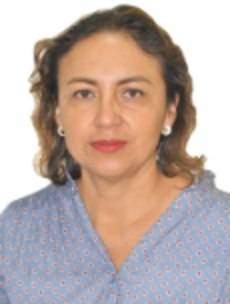
Dr. Paulina Lima Guamán
Institution: Universidad Central del Ecuador, Ecuador
Research Interests: Integrated water resources management, river hydraulics, hydrological and hydraulic modeling (HEC-RAS, IBER, QGIS/ArcGIS), water supply and water irrigation systems
Areas of Study (2026):
1. Hydrological modeling of southern Ecuadorian basins (Catamayo, Puyango) using GR4J and satellite datasets
2. Community-based water supply projects in San Pedro de la Bendita (Loja) and Cayambe-Pedro Moncayo (Pichincha) in Ecuador
3. Use of satellite telemetry and spatial ecology methods to study Andean bird movements and habitat use
4. Stable isotope analysis of runoff sources and implications for hydropower projects in the Manduriacu and Coca River basins, Northern Ecuador
Email: prlima@uce.edu.ec
Research Interests: Integrated water resources management, river hydraulics, hydrological and hydraulic modeling (HEC-RAS, IBER, QGIS/ArcGIS), water supply and water irrigation systems
Areas of Study (2026):
1. Hydrological modeling of southern Ecuadorian basins (Catamayo, Puyango) using GR4J and satellite datasets
2. Community-based water supply projects in San Pedro de la Bendita (Loja) and Cayambe-Pedro Moncayo (Pichincha) in Ecuador
3. Use of satellite telemetry and spatial ecology methods to study Andean bird movements and habitat use
4. Stable isotope analysis of runoff sources and implications for hydropower projects in the Manduriacu and Coca River basins, Northern Ecuador
Email: prlima@uce.edu.ec
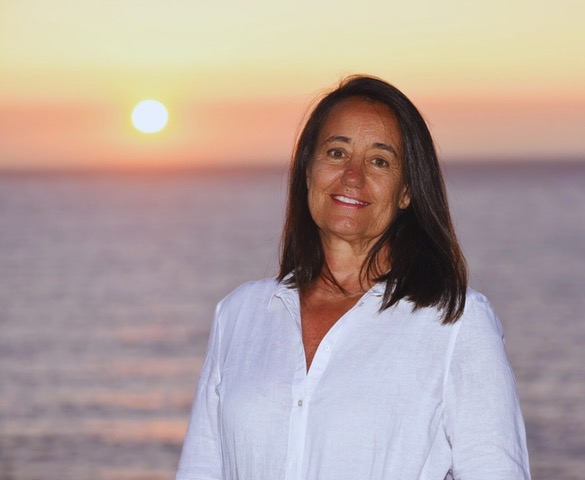
Dr. Elma Montaña
Institution: Universidad Nacional de Cuyo, INCIHUSA-CONICET, Argentina
Research Interests: transdisciplinary science, global environmental change, water politics, and dryland vulnerabilities and adaptation
Areas of study (2026):
1. Bridging the Water Adaptation Gap” (Canada, Argentina, Chile and Uruguay) – What are sustainable development pathways within the framework of Global Environmental Change across a spectrum of nations?
2. What are regional social-ecological system risks?
Email: elmamontana@gmail.com
Research Interests: transdisciplinary science, global environmental change, water politics, and dryland vulnerabilities and adaptation
Areas of study (2026):
1. Bridging the Water Adaptation Gap” (Canada, Argentina, Chile and Uruguay) – What are sustainable development pathways within the framework of Global Environmental Change across a spectrum of nations?
2. What are regional social-ecological system risks?
Email: elmamontana@gmail.com
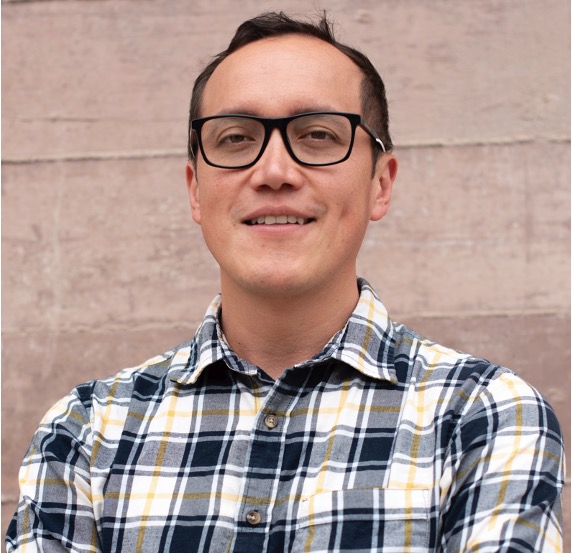
Dr. Giova Mosquera
Institution: Pontificia Universidad Católica del Perú, Perú
Research Interests:
ecohydrology of montane ecosystems; runoff contributions, biogeochemistry, and storage; rainfall-runoff processes; environmental tracers & modeling; interdisciplinary approaches
Areas of Study (2026):
1. Ecohydrology and Water Governance in the Water Sources of the City of Lima (2024-2027)
2. A Transdisciplinary Assessment of Water Resources in a High-Andean Ecosystem (2025-2027)
Website: Pontificia Universidad Católica del Perú
Email: gmosquerar@pucp.edu.pe
Research Interests:
ecohydrology of montane ecosystems; runoff contributions, biogeochemistry, and storage; rainfall-runoff processes; environmental tracers & modeling; interdisciplinary approaches
Areas of Study (2026):
1. Ecohydrology and Water Governance in the Water Sources of the City of Lima (2024-2027)
2. A Transdisciplinary Assessment of Water Resources in a High-Andean Ecosystem (2025-2027)
Website: Pontificia Universidad Católica del Perú
Email: gmosquerar@pucp.edu.pe
Dr. Enrique Muñoz
Institution: Universidad Católica de la Santísima Concepción, Chile
Research Interests: Surface hydrology, water management, uncertainty, use of drones for water management
Areas of Study (2026):
1. Laja River Watershed flow forecasting
Email: emunozo@ucsc.cl
Research Interests: Surface hydrology, water management, uncertainty, use of drones for water management
Areas of Study (2026):
1. Laja River Watershed flow forecasting
Email: emunozo@ucsc.cl
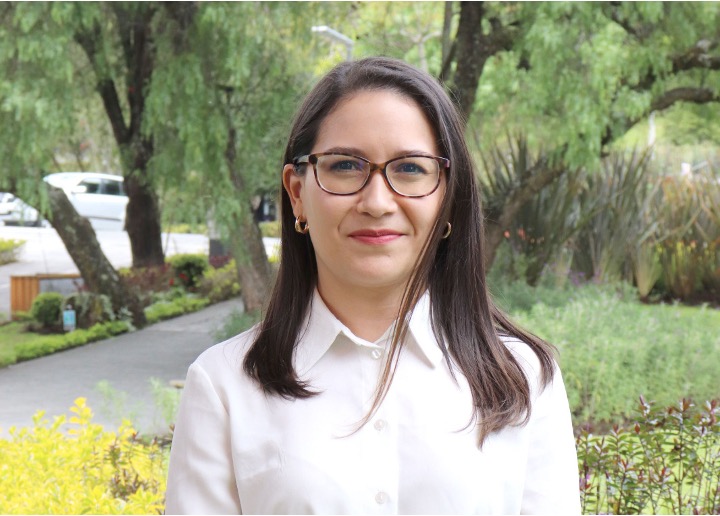
Dr. Ana Ochoa-Sánchez
Institution: Universidad del Azuay, Ecuador
Research interests: Water resources, climate change, mountain environments
Areas of Study (2026):
1. Sustainable water management under climate change scenarios in
Southern Ecuador.
http://www.swach.uazuay.edu.ec/
2. The role of lagoons in the paramo environment. We are studying interlinkages among lagoons, soils, and vegetation, and quantifying hydrological ecosystem services.
Website: https://orcid.org/0000-0002-3026-4918
Email: aeochoa@uazuay.edu.ec
Research interests: Water resources, climate change, mountain environments
Areas of Study (2026):
1. Sustainable water management under climate change scenarios in
Southern Ecuador.
http://www.swach.uazuay.edu.ec/
2. The role of lagoons in the paramo environment. We are studying interlinkages among lagoons, soils, and vegetation, and quantifying hydrological ecosystem services.
Website: https://orcid.org/0000-0002-3026-4918
Email: aeochoa@uazuay.edu.ec
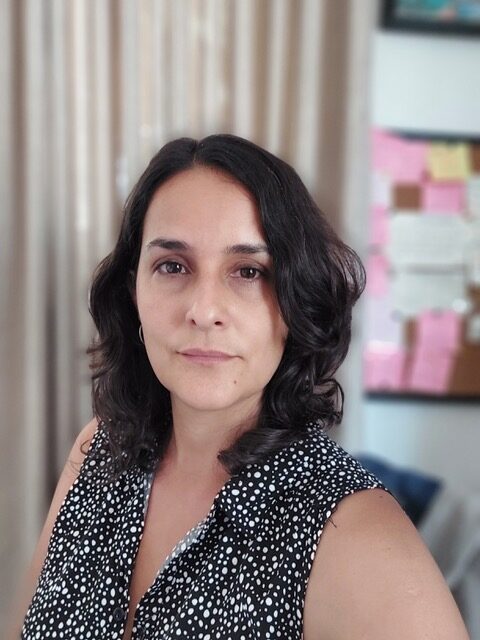
Dr. Anahi Ocampo
Institution: Universidad de Chile, Chile
Research Interests: water adaptation and collaborative governance, social-ecological systems, knowledge co-production
Areas of Study (2026):
1. What are the essential definitions of collaborative water governance at the basin level for an effective design and implementation?
2. What characterizes successful, polycentric, participatory collective water management?
3. How effective has collaborative water governance been on society’s resilience?
4. What are the participation challenges for adaptive and collaborative governance in water basin organizations in Chile?
Email: Anahi.ocampo@uchile.cl
Research Interests: water adaptation and collaborative governance, social-ecological systems, knowledge co-production
Areas of Study (2026):
1. What are the essential definitions of collaborative water governance at the basin level for an effective design and implementation?
2. What characterizes successful, polycentric, participatory collective water management?
3. How effective has collaborative water governance been on society’s resilience?
4. What are the participation challenges for adaptive and collaborative governance in water basin organizations in Chile?
Email: Anahi.ocampo@uchile.cl
Dr. Juan Pesantez
Institution: Universidad de Cuenca, Ecuador
Research Interests: ecohydrology, hydrological modeling, biogeochemistry, stable water isotopes
Areas of study (2026):
1. Coupling Isotope-enabled Water Balance Modelling with Isotope-enabled Climate Modelling
Email: juanp.pesantezv@ucuenca.edu.ec
Research Interests: ecohydrology, hydrological modeling, biogeochemistry, stable water isotopes
Areas of study (2026):
1. Coupling Isotope-enabled Water Balance Modelling with Isotope-enabled Climate Modelling
Email: juanp.pesantezv@ucuenca.edu.ec
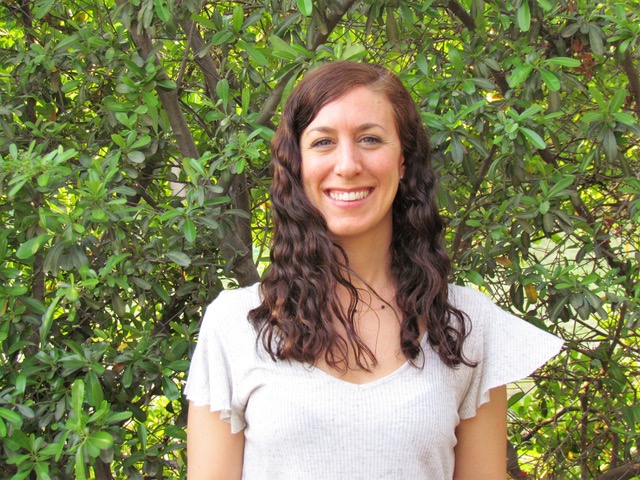
Dr. María Poca
Institution: Grupo de Estudios Ambientales, IMASL, CONICET-Universidad Nacional de San Luis, Argentina
Research Interests:
Ecohydrology, semiarid mountain catchments hydrology, environmental tracers, isotope hydrology, plant ecophysiology.
Areas of Study (2026):
1. SWaMP: Storm Water Memory and Pulses in streams and plants of semiarid mountains (2025-2027). We aim to understand the ecohydrological response to convective and frontal rainfall in two semiarid watersheds in San Luis, Argentina. To this end, high-frequency hydrometric and geochemical measurements of precipitation, streamflow, and groundwater are conducted. This is accompanied by sampling of woody vegetation at different topographic positions in the hillslope scale, assessing its role in flow partitioning (water tracing through stable isotopes) and long-term response (dendroecology).
Website: http://gea.unsl.edu.ar/#team
Email: mpoca@unsl.edu.ar
Research Interests:
Ecohydrology, semiarid mountain catchments hydrology, environmental tracers, isotope hydrology, plant ecophysiology.
Areas of Study (2026):
1. SWaMP: Storm Water Memory and Pulses in streams and plants of semiarid mountains (2025-2027). We aim to understand the ecohydrological response to convective and frontal rainfall in two semiarid watersheds in San Luis, Argentina. To this end, high-frequency hydrometric and geochemical measurements of precipitation, streamflow, and groundwater are conducted. This is accompanied by sampling of woody vegetation at different topographic positions in the hillslope scale, assessing its role in flow partitioning (water tracing through stable isotopes) and long-term response (dendroecology).
Website: http://gea.unsl.edu.ar/#team
Email: mpoca@unsl.edu.ar
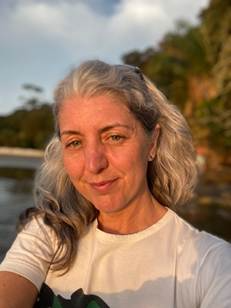
Dr. Gislene Torrente Vilara
Institution: Marine Institute/ São Paulo Federal University, Brazil
Research Interests: Migration and community ecology of fishes
Areas of Study (2026):
1. Looking to the past: trophic ecology and migration routes unraveled through the mullet’s eyes lenses (https://californiawaterblog.com/tag/tainha/ )
2. Brazil’s Atlantic forest fish populations: Community ecology, climate change and conservation planning
Email: gtvilara@unifesp.br
Research Interests: Migration and community ecology of fishes
Areas of Study (2026):
1. Looking to the past: trophic ecology and migration routes unraveled through the mullet’s eyes lenses (https://californiawaterblog.com/tag/tainha/ )
2. Brazil’s Atlantic forest fish populations: Community ecology, climate change and conservation planning
Email: gtvilara@unifesp.br